The Rise and Transformation of Starr Park Lore in Brawl Stars
Introduction
Among all competitive mobile games, few have managed to create a fictional universe as strange, layered, and unexpectedly unsettling as the world behind Brawl Stars. At first glance, the game appears simple: colorful arenas, exaggerated characters, short matches, and chaotic combat. Yet beneath the bright explosions and cartoon humor lies one of the most unusual narrative experiments ever attempted in a mobile multiplayer title. That experiment is Starr Park.
Starr Park is not merely a setting. It is the backbone of Brawl Stars’ evolving identity, connecting brawlers, environments, events, cosmetics, and community theories into a fragmented fictional timeline. Unlike traditional storytelling in role-playing games, the lore of Brawl Stars emerged indirectly through hidden broadcasts, cryptic websites, distorted announcements, environmental clues, and visual inconsistencies scattered across updates over several years. The result is a narrative structure closer to an internet mystery than a conventional game story.
The evolution of Starr Park fundamentally changed how players interpreted Brawl Stars. Characters once viewed as random fighters suddenly became employees, experiments, performers, or victims tied to a larger system. Maps stopped being isolated arenas and instead became districts of a giant entertainment complex. Even game mechanics themselves began to appear as elements within the fictional universe. What initially looked like a cheerful mobile esport slowly transformed into a surreal commentary on control, entertainment, and manufactured happiness.
This article explores the rise, expansion, fragmentation, and cultural impact of Starr Park lore inside Brawl Stars. Rather than focusing on gameplay advice or character rankings, the discussion examines how the game constructed one of the most distinctive narrative identities in mobile gaming history.
The Early Identity of Brawl Stars Before Starr Park
During its earliest years, Brawl Stars had almost no visible narrative structure. The game launched with a straightforward competitive identity centered on short matches, accessible controls, and a rapidly expanding cast of fighters. Characters such as Shelly, Colt, and Brock were presented with exaggerated personalities, but they lacked meaningful connections to one another. Their existence appeared closer to action figures in a toy box than inhabitants of a living world.
At the time, Supercell focused heavily on gameplay rhythm rather than worldbuilding. New updates emphasized balance changes, seasonal events, skins, and modes instead of storytelling. Players interpreted the game as a pure multiplayer experience similar to arcade shooters rather than a narrative-driven universe. Maps were treated as functional battlefields with little contextual meaning.
The Visual Language of Early Brawl Stars
Even without explicit lore, the game already contained subtle stylistic clues. Environments often resembled themed attractions rather than natural locations. The Wild West maps looked theatrical. The gem mines felt artificially constructed. Mortis’ graveyard resembled a staged haunted attraction rather than a genuine cemetery.
These artistic decisions initially seemed aesthetic rather than narrative. Only later did players reinterpret them as hints that the game world itself functioned like an enormous entertainment park.
Important Characteristics of the Pre-Lore Era
- Characters existed independently without deep relationships.
- Maps lacked confirmed geographical continuity.
- Voice lines focused on humor rather than narrative clues.
- Updates prioritized gameplay over storytelling.
- The community rarely discussed overarching lore.
Ironically, the absence of formal storytelling created the perfect environment for future mystery-building. Because the world felt undefined, nearly any future revelation could reshape how players interpreted the game.
The Arrival of the Starr Park Concept
The turning point arrived when Supercell unexpectedly introduced the concept of Starr Park through promotional material that felt radically different from ordinary game marketing. Instead of revealing new characters in standard trailers, the developers presented a disturbing retro-style advertisement for an amusement park called Starr Park.
The video appeared intentionally outdated, resembling corrupted corporate media from decades earlier. Smiling mascots, forced enthusiasm, strange interruptions, and hidden messages transformed what should have been cheerful advertising into psychological horror. The tone shocked players because it contradicted everything previously associated with Brawl Stars.
Rather than directly explaining the lore, the developers encouraged interpretation. The video hinted that Starr Park was responsible for the existence of the brawlers and possibly manipulated reality itself. Fans immediately began analyzing every frame, searching for hidden symbols and distorted audio.
Why the Reveal Worked So Effectively
The Starr Park reveal succeeded because it changed genre expectations. Players who expected casual mobile content suddenly encountered something closer to an alternate reality game. The transition generated intense curiosity because it suggested hidden depth inside a previously simple experience.
The mysterious tone also benefited from ambiguity. Supercell avoided overexplaining the premise, allowing players to construct theories collectively. In many ways, the community became part of the storytelling mechanism itself.
Core Themes Introduced by Starr Park
- Artificial happiness
- Corporate control
- Memory manipulation
- Entertainment as surveillance
- Identity fragmentation
- Psychological instability
These themes dramatically expanded the emotional range of Brawl Stars. What once looked purely comedic began carrying undertones of unease and hidden tragedy.
The WKBRL Broadcast and Community Obsession
One of the most important moments in Brawl Stars lore history came through the WKBRL livestream. Instead of uploading a conventional cinematic, Supercell launched an endlessly running broadcast featuring cryptic sounds, distorted voices, hidden codes, and occasional visual interruptions. The stream became an obsession for lore-focused players.
The genius of WKBRL was its commitment to uncertainty. Nothing was fully explained. Some audio clips sounded like emergency warnings. Others hinted at experiments, employee conditioning, or missing individuals. Fans monitored the livestream for weeks, documenting every change and attempting to decode patterns.
The stream transformed the relationship between developer and audience. Players were no longer passive consumers waiting for official lore dumps. Instead, they became investigators participating in collaborative interpretation.
The Psychological Effect of Continuous Mystery
Unlike traditional narratives with clear beginnings and endings, WKBRL operated continuously. Its endless nature created a feeling that Starr Park existed beyond the player’s control. The world appeared active even when nobody was watching.
This design choice blurred the line between fictional storytelling and interactive myth-building. The longer the broadcast continued, the more convincing the illusion became.
Elements Frequently Discussed by the Community
- Distorted employee announcements
- Reverse audio messages
- Code sequences
- Sudden interruptions
- Static patterns
- References to investors and guests
The community’s investigative culture became central to the game’s popularity outside gameplay itself. Entire channels and forums dedicated themselves exclusively to decoding Starr Park mysteries.
The Transformation of Brawlers into Narrative Characters
Before Starr Park lore emerged, brawlers largely functioned as gameplay archetypes. After the lore expansion, players began interpreting them as residents, workers, entertainers, or victims connected to the park’s infrastructure.
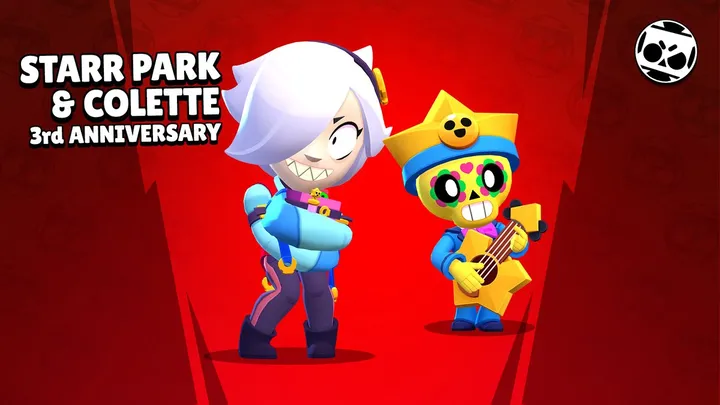
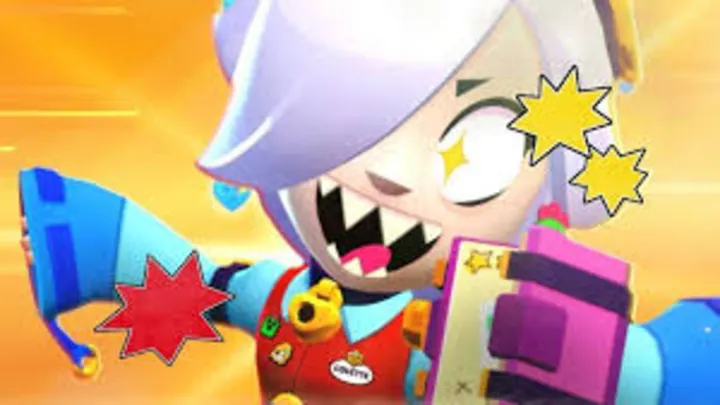
This reinterpretation fundamentally changed character perception. Poco was no longer merely a musical skeleton. Colette became a deeply unstable employee obsessed with collecting information. Gale transformed from a comedic janitor into someone seemingly trapped in a manufactured environment. Even cheerful characters gained darker undertones.
The brilliance of this approach lay in its indirect storytelling. Supercell rarely confirmed details outright. Instead, voice lines, animations, skins, and environmental interactions implied relationships and histories.
Character Trios as Narrative Districts
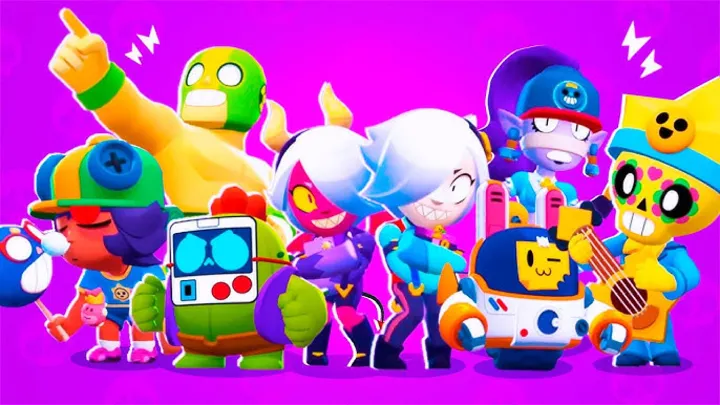
The trio system became especially important during the Starr Park era. Groups of brawlers began representing themed sections of the park. The Wild West trio, gift shop workers, entertainers, scientists, and paranormal performers all appeared tied to different attractions.
This organization created the illusion of a functioning ecosystem rather than a random roster of fighters.
Examples of Narrative Reinterpretation
- Colette appeared emotionally damaged by corporate culture.
- Mr. P resembled a manipulative hotel manager controlling workers.
- Byron looked connected to unethical commercial products.
- Belle’s gang implied rebellion against authority.
- Spike’s silence became increasingly mysterious.
As lore deepened, the personalities of brawlers felt less comedic and more psychologically unstable. The cheerful art style contrasted sharply with darker implications beneath the surface.
The Environmental Storytelling Hidden in Maps
One of the most overlooked achievements of Brawl Stars lore is how environmental design evolved into a storytelling device. Maps stopped functioning purely as competitive layouts and instead became fragments of Starr Park itself.
Each environment suggested operational zones within the fictional complex. Gift shops, mining tunnels, abandoned attractions, laboratories, underwater facilities, and bizarre restaurants all implied a larger interconnected structure hidden behind the gameplay.
The developers embedded subtle clues into decorations, posters, signs, and background animations. These details encouraged players to interpret arenas as physical locations rather than abstract battlegrounds.
The Illusion of a Living Theme Park
Starr Park’s strongest quality may be how believable it feels despite lacking a full canonical map. Every new environment expanded the illusion of a massive entertainment corporation with internal departments, workers, maintenance systems, and themed districts.
Instead of revealing the entire world directly, the game allowed players to mentally assemble it piece by piece.
Recurring Environmental Motifs
- Security cameras
- Corporate logos
- Maintenance tunnels
- Performance stages
- Artificial attractions
- Experimental facilities
These visual patterns reinforced the idea that Starr Park controlled every aspect of the world. Even battle arenas felt monitored and manufactured.
The Role of Advertising and Propaganda
A defining characteristic of Starr Park lore is its heavy reliance on fictional advertising. Promotional videos inside the universe constantly encourage visitors to feel safe, entertained, and happy regardless of obvious danger surrounding them.
This contrast between cheerful messaging and disturbing implications became one of the lore’s most memorable qualities. The fictional corporation repeatedly presented itself as trustworthy while evidence suggested manipulation and exploitation behind the scenes.
The advertisements resembled mid-century corporate propaganda, emphasizing optimism and obedience. Their exaggerated positivity made them feel unsettling rather than comforting.
The Manufactured Happiness Theme
The concept of forced joy became central to Starr Park’s identity. Characters smiled excessively. Announcers sounded unnaturally enthusiastic. Attractions promised endless fun despite signs of chaos and psychological collapse.
This atmosphere mirrored real-world concerns about entertainment corporations creating artificial emotional experiences while hiding harmful systems beneath polished branding.
Common Propaganda Techniques in Starr Park Media
- Repetitive slogans
- Forced positivity
- Denial of danger
- Corporate mascot imagery
- Idealized employee behavior
- Emphasis on visitor satisfaction
By integrating propaganda directly into the game’s fictional universe, Brawl Stars achieved a surprisingly sophisticated narrative tone rarely seen in mobile titles.
The Influence of Internet Mystery Culture
Starr Park lore did not evolve in isolation. Its structure clearly reflected broader internet mystery traditions involving hidden clues, cryptic broadcasts, fictional conspiracies, and collaborative decoding communities.
The narrative borrowed elements commonly associated with alternate reality games, creepypasta storytelling, analog horror, and conspiracy aesthetics. Instead of delivering information linearly, the game distributed fragments across multiple media forms.
This design encouraged players to consume Brawl Stars beyond the app itself. YouTube theories, Reddit investigations, hidden websites, and frame-by-frame analyses became extensions of the experience.
The Rise of Analog Horror Influences
Many fans noticed similarities between Starr Park videos and analog horror content popular online. Distorted instructional videos, corrupted corporate messaging, and uncanny mascots all resembled trends emerging on internet horror channels.
The developers effectively adapted these aesthetics for a mainstream mobile audience without abandoning the game’s accessible identity.
Community Behaviors Triggered by the Lore
- Collaborative code-breaking
- Lore timeline construction
- Character psychology theories
- Audio analysis projects
- Hidden message compilations
- Fan documentaries
The lore became powerful because players actively participated in constructing meaning rather than merely consuming it.
The Gradual Softening of the Darker Narrative
As time passed, many players observed that the intensity of Starr Park’s darker mystery elements began to fade. While lore references continued appearing, the highly unsettling atmosphere of the original broadcasts became less central to updates.
Several factors likely contributed to this shift. Brawl Stars remained a globally accessible mobile game aimed at a broad demographic, including younger audiences. Maintaining extremely disturbing themes indefinitely may have conflicted with the game’s commercial identity.
Additionally, mystery-based storytelling is difficult to sustain permanently. The more information becomes revealed, the harder it is to preserve uncertainty and fear.
The Transition Toward Character-Centered Storytelling
Later updates focused more heavily on character personalities, humorous animations, and seasonal themes rather than large-scale psychological horror. Starr Park remained present, but it functioned more as background mythology than active narrative tension.
This transition disappointed some lore enthusiasts while making the universe more approachable for casual players.
Changes Seen in Later Lore Presentation
- Reduced emphasis on cryptic broadcasts
- More comedic seasonal storytelling
- Greater focus on skins and cosmetics
- Less overt horror imagery
- Character interactions became lighter in tone
Even so, the legacy of the darker Starr Park era continued shaping player interpretation of the game world.
The Community’s Endless Theory Building
One reason Starr Park lore remains influential is that it was never fully resolved. The lack of definitive answers allowed theories to continue evolving years after the initial mystery peak.
Some players believe Starr Park controls reality through technology. Others interpret the brawlers as trapped performers endlessly repeating violent entertainment cycles. More extreme theories suggest memory erasure, cloning, or dimensional manipulation.
Because the developers rarely confirm or deny interpretations directly, the lore remains flexible. Multiple explanations can coexist simultaneously.
The Value of Ambiguity
Many fictional universes collapse once every mystery receives an official explanation. Starr Park avoided this problem by remaining fragmented. Players could continuously reinterpret clues based on new updates.
The uncertainty itself became the narrative engine.
Popular Long-Term Questions
- Who truly controls Starr Park?
- Why do brawlers constantly fight?
- Are characters aware of their situation?
- What caused the park’s instability?
- Is Starr Park a real location or simulation?
- Why are memories inconsistent?
These unresolved questions preserved community engagement far beyond what traditional storytelling might have achieved.
The Cultural Impact of Starr Park on Mobile Gaming
Starr Park represented a major shift in expectations surrounding mobile multiplayer storytelling. Historically, many mobile games treated lore as secondary material disconnected from gameplay identity. Brawl Stars demonstrated that even fast-paced competitive games could generate deep narrative intrigue through unconventional methods.
The project also showed how mystery can strengthen long-term community retention. Lore discussions became a parallel ecosystem existing alongside competitive play, esports, and cosmetics. Players who lost interest in ranked progression still returned to analyze narrative clues.
Importantly, Starr Park blurred the boundary between marketing and storytelling. Promotional content itself became part of the fictional universe. This integration created a uniquely immersive relationship between audience and developer.
The Influence on Fan Creativity
The lore inspired enormous amounts of fan-generated content. Animations, timelines, horror edits, speculative documentaries, and psychological analyses emerged across multiple platforms.
Rather than consuming official canon passively, the community actively expanded the universe through interpretation.
Areas Influenced by Starr Park’s Success
- Mobile game storytelling
- Alternate reality marketing
- Community-driven lore culture
- Analog horror aesthetics
- Cross-platform narrative design
Very few mobile titles have achieved a comparable blend of accessibility, mystery, and long-term speculative engagement.
The Lasting Identity of Brawl Stars Through Lore
Today, Starr Park remains inseparable from the identity of Brawl Stars even when the game emphasizes seasonal events, esports, or character releases. The lore permanently transformed how players interpret the universe.
Without Starr Park, the game might have remained a successful but straightforward multiplayer experience. With it, Brawl Stars evolved into something stranger and culturally distinctive. The contrast between colorful visuals and underlying unease gave the game an emotional texture rarely associated with mobile entertainment.
The most remarkable achievement of Starr Park may be that it changed player perception retroactively. Older maps, characters, and animations gained new meaning after the lore expansion. The game’s entire world felt recontextualized without requiring massive mechanical changes.
The Dual Identity of the Game
Brawl Stars now exists simultaneously as two experiences. For casual players, it remains a fast, entertaining competitive game filled with humor and action. For lore enthusiasts, it is a fragmented dystopian universe hiding disturbing secrets beneath corporate mascots and cheerful attractions.
That duality is precisely what made Starr Park unforgettable.
The Core Legacy of Starr Park
- It transformed gameplay spaces into narrative locations.
- It encouraged collaborative storytelling.
- It redefined expectations for mobile game lore.
- It merged horror aesthetics with mainstream accessibility.
- It created long-term interpretive engagement.
Even years after its introduction, Starr Park continues haunting the identity of Brawl Stars. The smiling mascots, distorted broadcasts, and fragmented clues remain embedded in the game’s culture, proving that mystery can sometimes leave a stronger impression than certainty.
In the history of mobile multiplayer games, few fictional worlds have achieved such an unusual balance between comedy, horror, corporate satire, and community obsession. Starr Park was never simply a background setting. It became the invisible architecture holding the entire universe together.
Conclusion
The evolution of Starr Park transformed Brawl Stars from a colorful arena shooter into one of the most narratively intriguing mobile games ever created. Through cryptic broadcasts, environmental storytelling, propaganda aesthetics, and fragmented character connections, the game built a fictional universe that relied on mystery rather than direct explanation. The lore succeeded not because it answered every question, but because it encouraged players to participate in constructing meaning themselves.
Even as the darker elements softened over time, the impact of Starr Park continued shaping the identity of Brawl Stars and its community. The combination of cheerful visuals and unsettling subtext created a lasting cultural phenomenon that extended far beyond ordinary gameplay. In many ways, Starr Park proved that mobile games could sustain complex narrative fascination without abandoning accessibility or competitive design.