Quarantine Zone: The Last Check – How to Survive and Control the Final Checkpoint
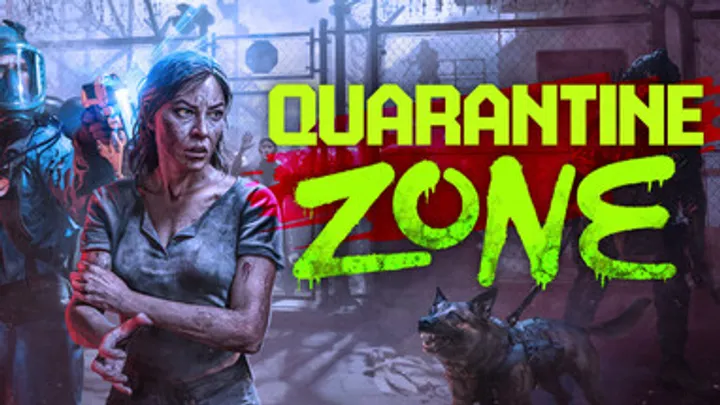
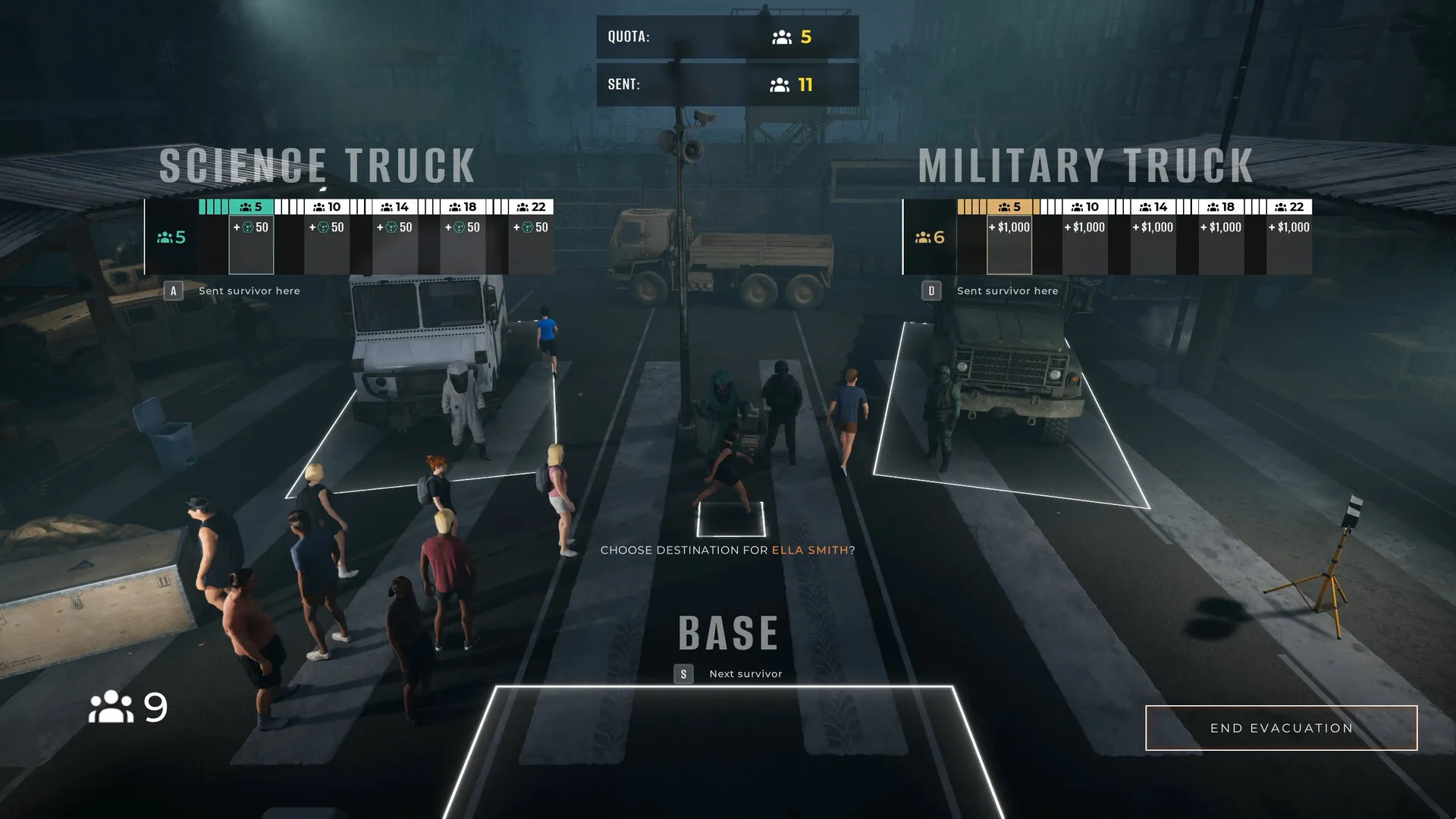
Quarantine Zone: The Last Check is a survival strategy game set in a world devastated by a mysterious outbreak. Players take control of a crucial quarantine checkpoint where survivors attempt to pass through while authorities struggle to prevent the spread of infection.
The game combines resource management, moral decision-making, and survival mechanics. As the officer in charge of the last checkpoint, you must inspect survivors, manage supplies, identify infected individuals, and maintain order in a collapsing society. Every decision affects the safety of your zone and the fate of the remaining survivors. This guide explains how to manage your checkpoint effectively and survive the crisis.
1. How to Understand Your Role at the Checkpoint
At the beginning of the game, you are assigned control of the final quarantine checkpoint. Your main responsibility is deciding who can safely enter the protected zone.
Every survivor arriving at the checkpoint must be inspected carefully. Some may be healthy, while others could carry infection or pose other threats.
Your responsibilities include:
- Inspecting survivors for symptoms
- Checking identification and documents
- Monitoring suspicious behavior
- Deciding who may pass through
Careful judgment is essential to prevent outbreaks within your zone.
2. How to Inspect Survivors Properly
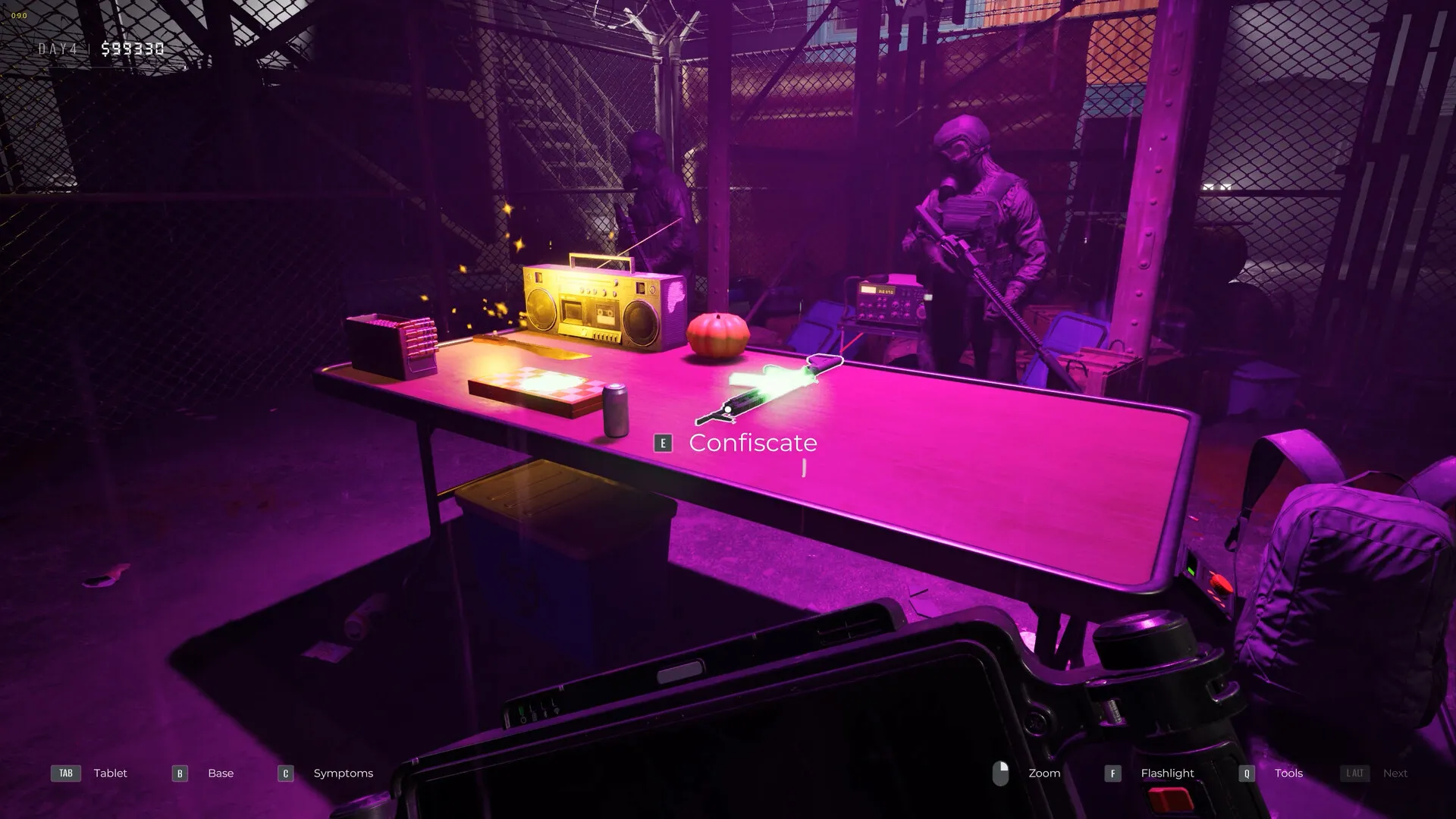
Inspection is the core gameplay mechanic. Each person approaching the checkpoint must be evaluated before being allowed inside.
Players must look for visible signs of infection, unusual behavior, or missing documentation.
Inspection methods include:
- Checking body temperature
- Observing physical symptoms
- Reviewing identification papers
- Questioning suspicious individuals
Proper inspections prevent dangerous individuals from entering the safe zone.
3. How to Identify Possible Infections
Not all infected survivors show obvious symptoms. Some may appear healthy while carrying the infection.
Recognizing subtle signs helps prevent catastrophic outbreaks inside your quarantine area.
Common warning signs include:
- Unusual skin discoloration
- Persistent coughing
- High fever
- Aggressive or erratic behavior
Detecting infections early is critical to maintaining control.
4. How to Manage Limited Resources
Resources are scarce during the outbreak. Medical supplies, food, and security equipment must be distributed carefully.
Poor resource management can quickly lead to chaos or loss of control at the checkpoint.
Important resource priorities include:
- Medical supplies for testing
- Food for checkpoint staff
- Security equipment for protection
- Emergency response tools
Efficient resource allocation ensures long-term survival.
5. How to Maintain Order at the Checkpoint
Large groups of survivors may gather at the checkpoint, creating tension and potential conflicts.
Maintaining order prevents riots and ensures inspections can continue safely.
Security management strategies include:
- Controlling crowd flow
- Assigning guards to critical areas
- Responding quickly to disturbances
- Keeping survivors informed of procedures
A well-managed checkpoint reduces panic and confusion.
6. How to Handle Difficult Moral Decisions
One of the most challenging aspects of the game is making difficult moral choices.
Sometimes survivors may beg for entry despite showing suspicious symptoms. Other times you may have limited supplies to help everyone.
Players must weigh compassion against the safety of the entire quarantine zone.
Difficult decisions may involve:
- Turning away potentially infected survivors
- Choosing who receives limited medical help
- Managing desperate crowds
- Enforcing strict quarantine rules
Every decision influences the outcome of the story.
7. How to Protect Your Staff and Facilities
Checkpoint staff members are vital to operations. If they become infected or injured, inspections will slow down or stop entirely.
Protecting staff ensures the checkpoint continues functioning.
Safety measures include:
- Providing protective equipment
- Rotating staff shifts
- Monitoring health conditions
- Securing sensitive areas
Keeping staff healthy is essential for survival.
8. How to Upgrade Your Checkpoint
As the crisis evolves, you can improve the checkpoint with additional tools and infrastructure.
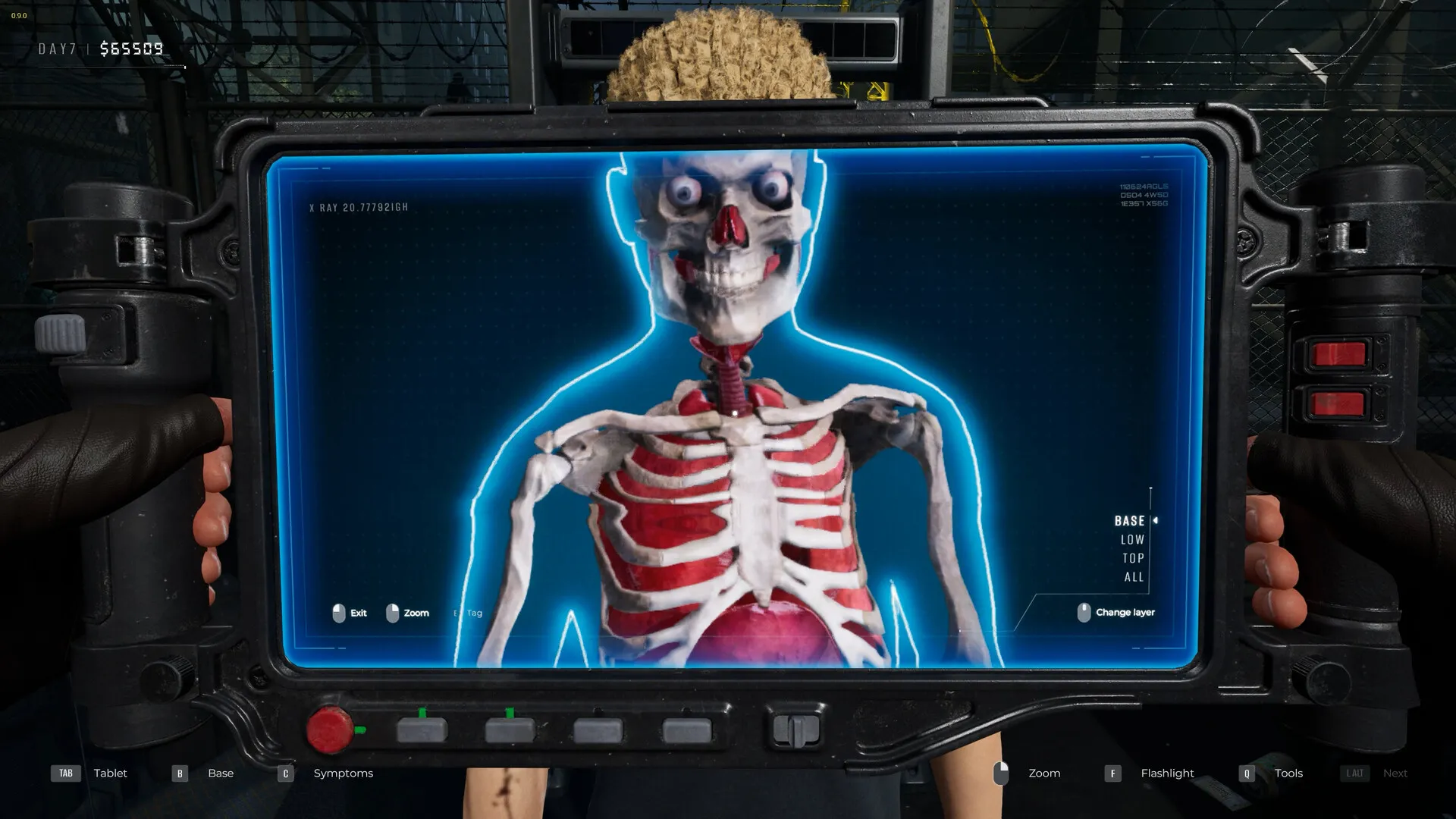
Upgrades increase efficiency and help identify infected individuals more accurately.
Possible improvements include:
- Advanced medical scanners
- Additional inspection stations
- Reinforced security checkpoints
- Expanded storage for supplies
Upgrading facilities strengthens your defense against the outbreak.
9. How to Respond to Emergency Situations
Unexpected events such as outbreaks, riots, or supply shortages may occur during gameplay.
Reacting quickly to emergencies prevents disasters from spreading through the quarantine zone.
Emergency response strategies include:
- Isolating infected individuals immediately
- Locking down the checkpoint during outbreaks
- Deploying security forces
- Prioritizing medical treatment
Preparedness is key to handling crises.
10. How to Survive the Long-Term Outbreak
Long-term survival requires strategic planning and consistent decision-making.
Players must balance humanitarian concerns with strict safety procedures while maintaining limited resources.
Successful long-term strategies include:
- Maintaining strict inspection protocols
- Upgrading facilities regularly
- Managing staff morale and health
- Preventing infection from entering the safe zone
Consistent management ensures the checkpoint remains operational.
Conclusion
Quarantine Zone: The Last Check offers an intense survival management experience where every decision carries weight. As the leader of the last checkpoint, players must carefully inspect survivors, manage limited resources, and make difficult choices to protect humanity’s remaining safe zones.
Through strategic thinking, careful observation, and strong leadership, players can maintain control of the quarantine checkpoint and prevent the collapse of the final defense against the outbreak.